One business. Bought by the person who will run it.
Operatorsbuying from operators.
I spent twelve years running industrial plants before I went looking for one to own. I am buying a single mechanical, fabrication or field-services business and running it myself — from the floor, not from a board seat.
See the work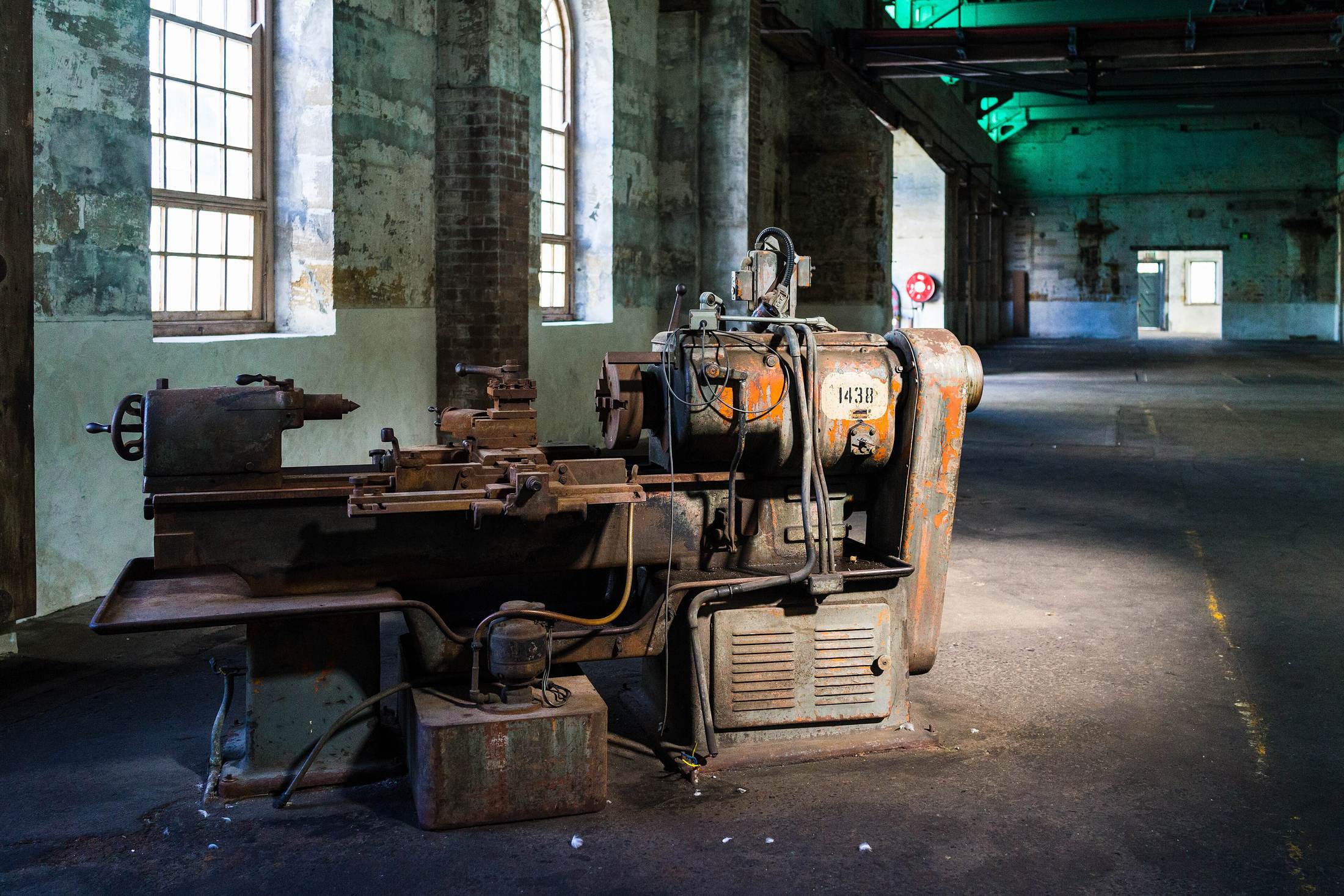
318 businesses read since I went independent in 2024. Forty-one got a call, nine got a site visit, one will be bought. The rest of this page is why the ratio is that shape.
The work I came from
Twelve years of it, before any of this. Drag sideways — or use the arrow keys.
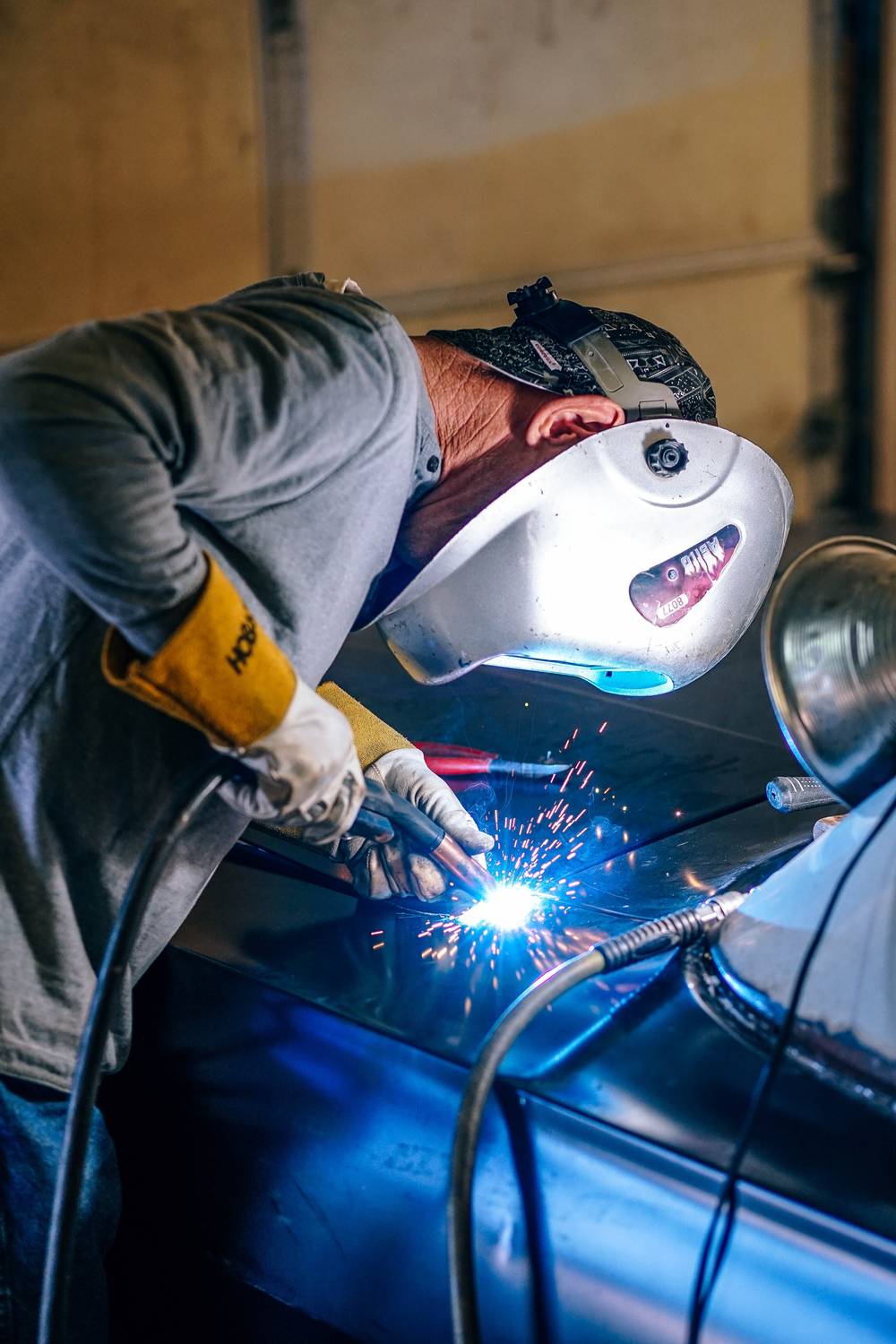
Second shift, weld bay
My first job out of Penn State was scheduling this bay. I learned more about margin standing here than I did in any classroom.
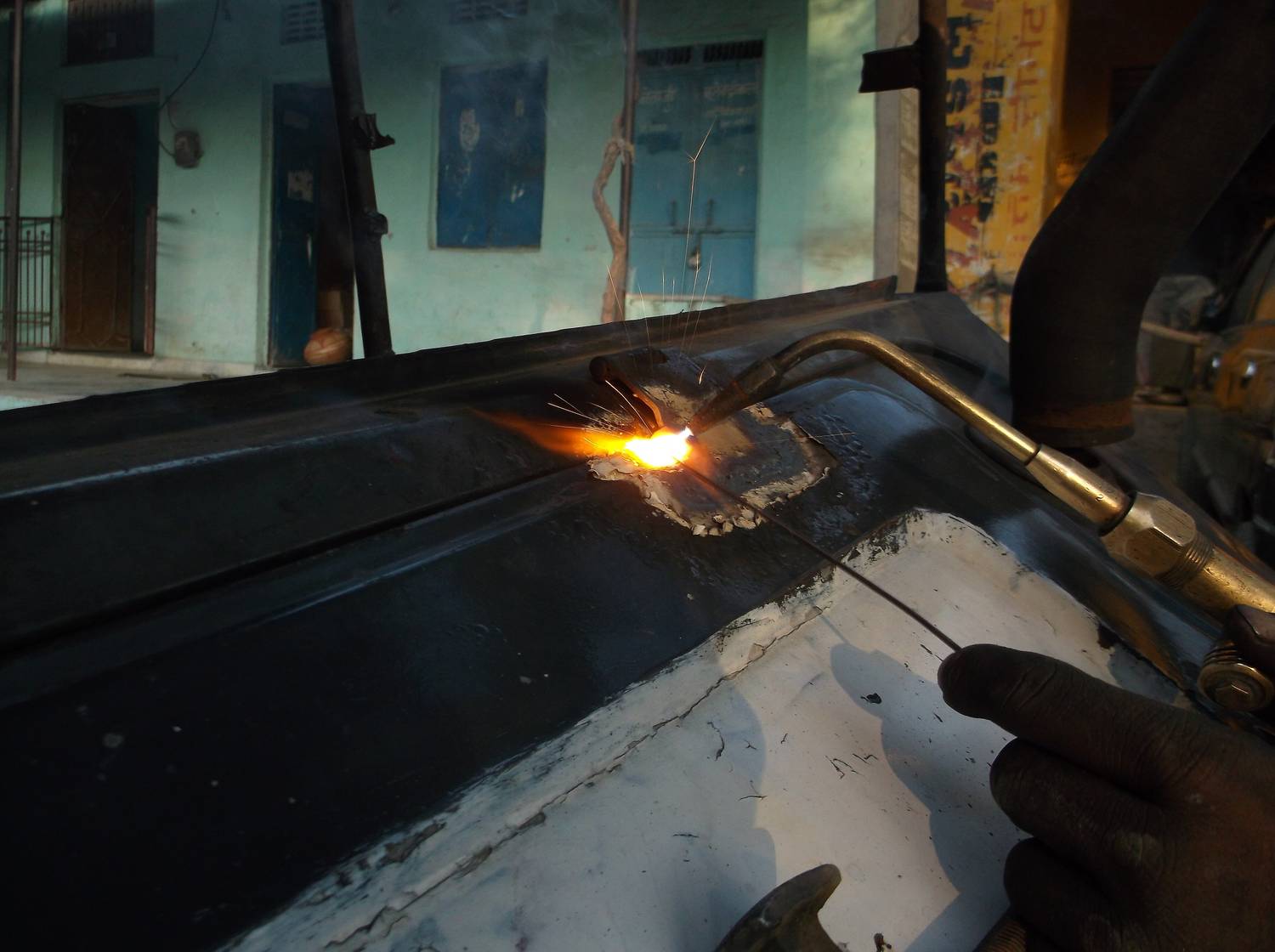
Cutting to a line somebody drew
Every business I look at has a version of this: one person whose hand knows the job. Buying the company without keeping them is buying the building.
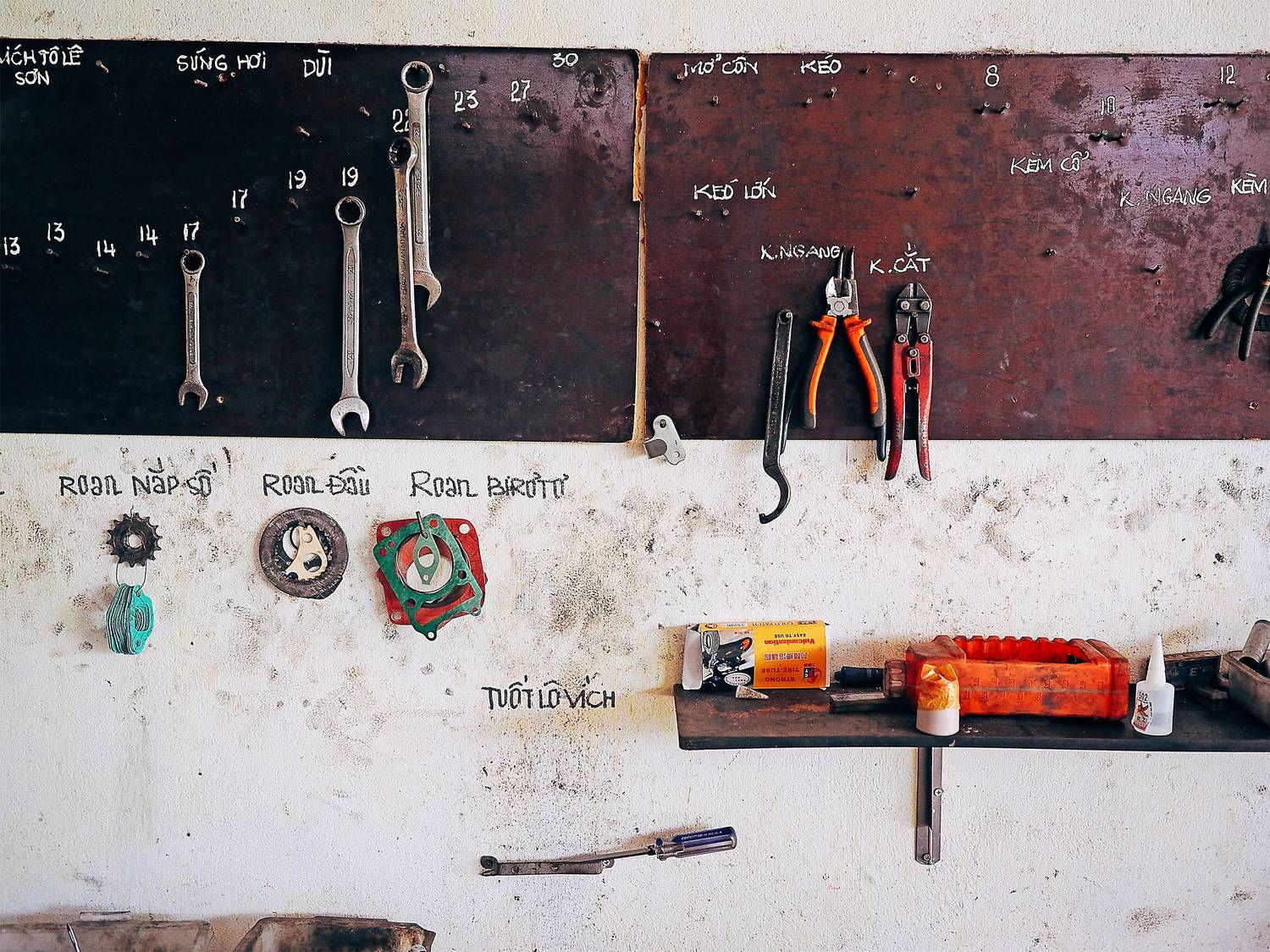
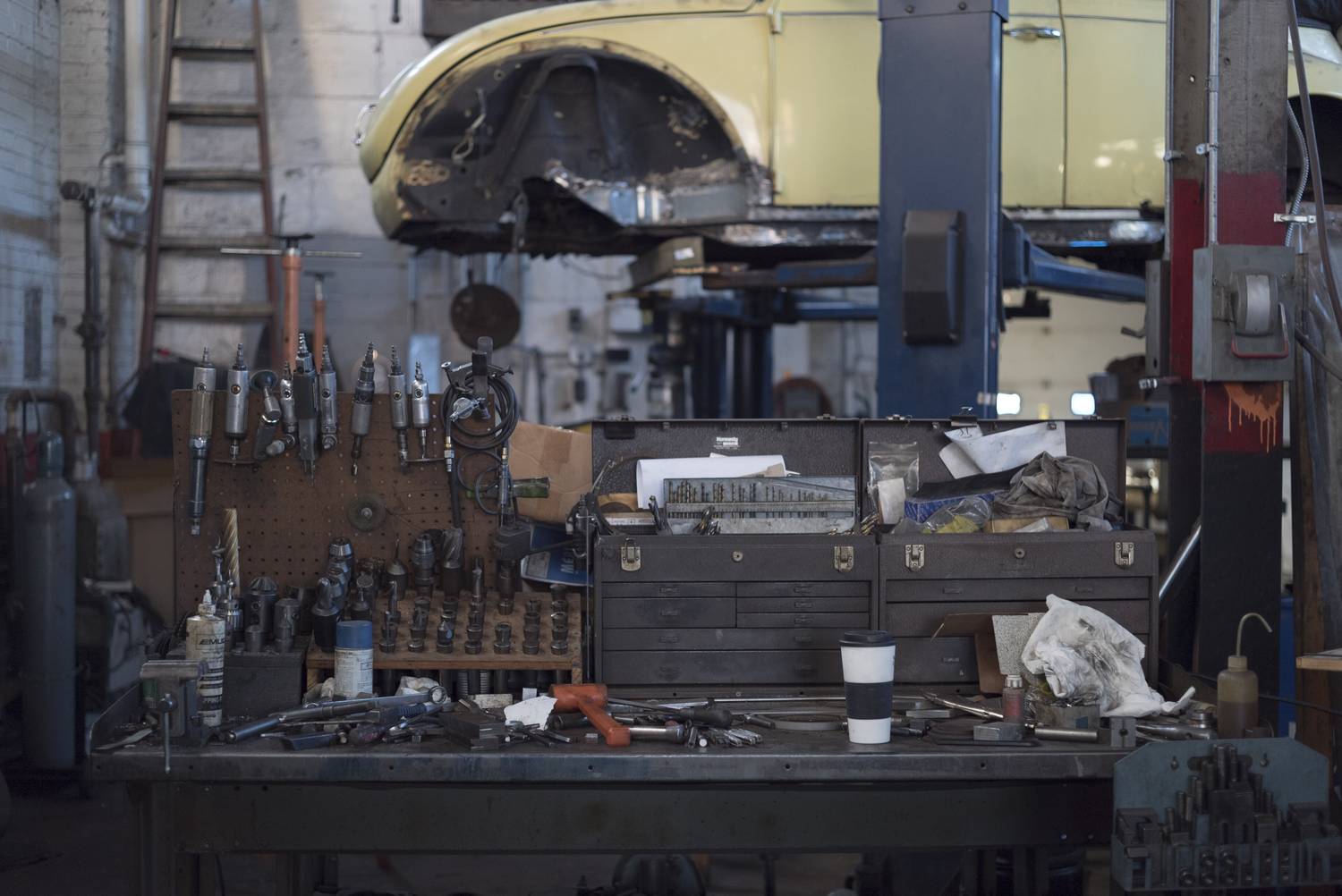
A tool board tells you everything
First thing I look at on a site visit. A board like this means the crew owns the place. An empty one means the last owner already left.
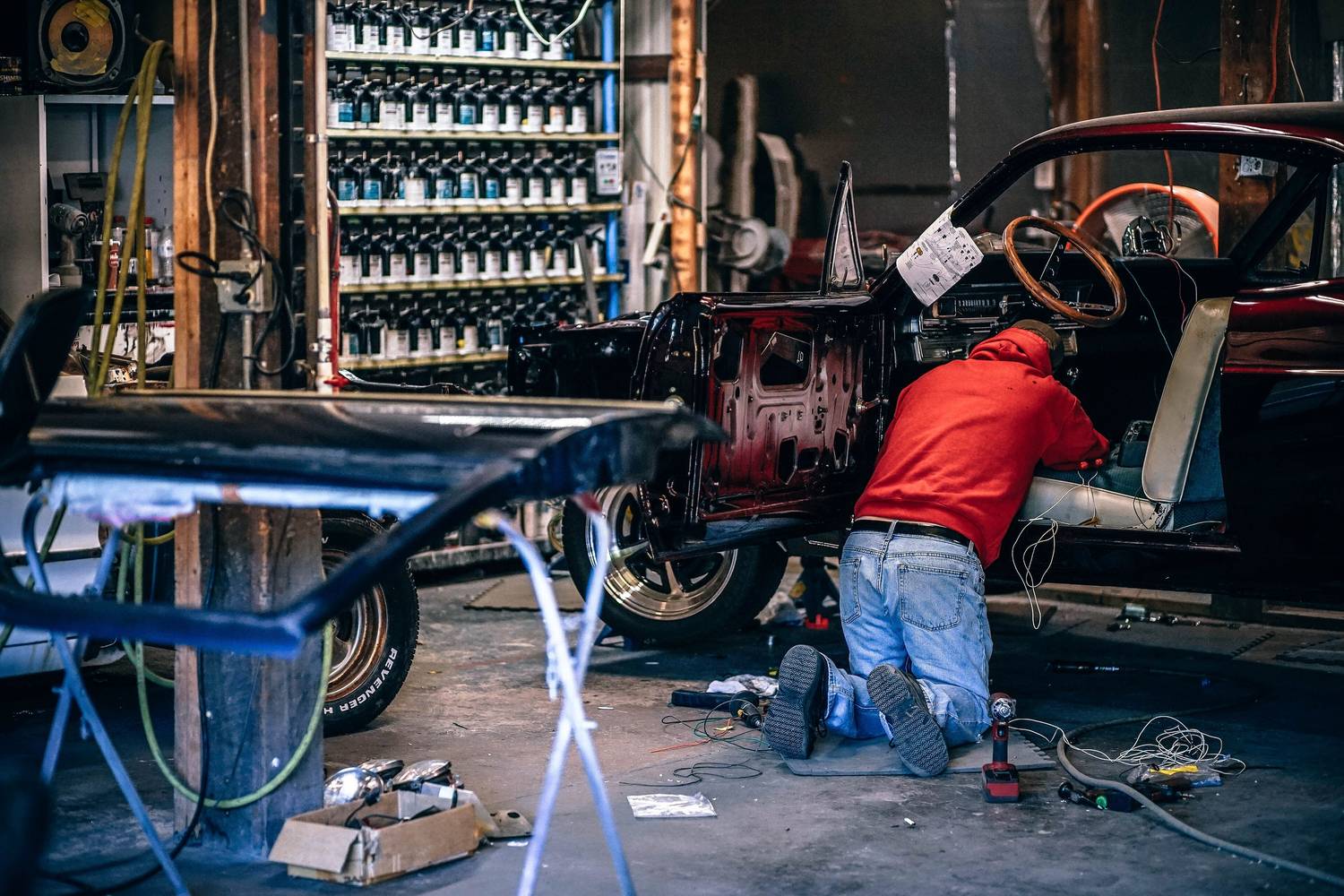
The bench nobody photographs
Diligence happens here, not in a data room. I have walked away from two businesses because of what the maintenance log said.
Stripped back to bare metal
As VP of operations I turned round a shop that had lost money for four straight years. No headcount cut. We changed what we quoted.
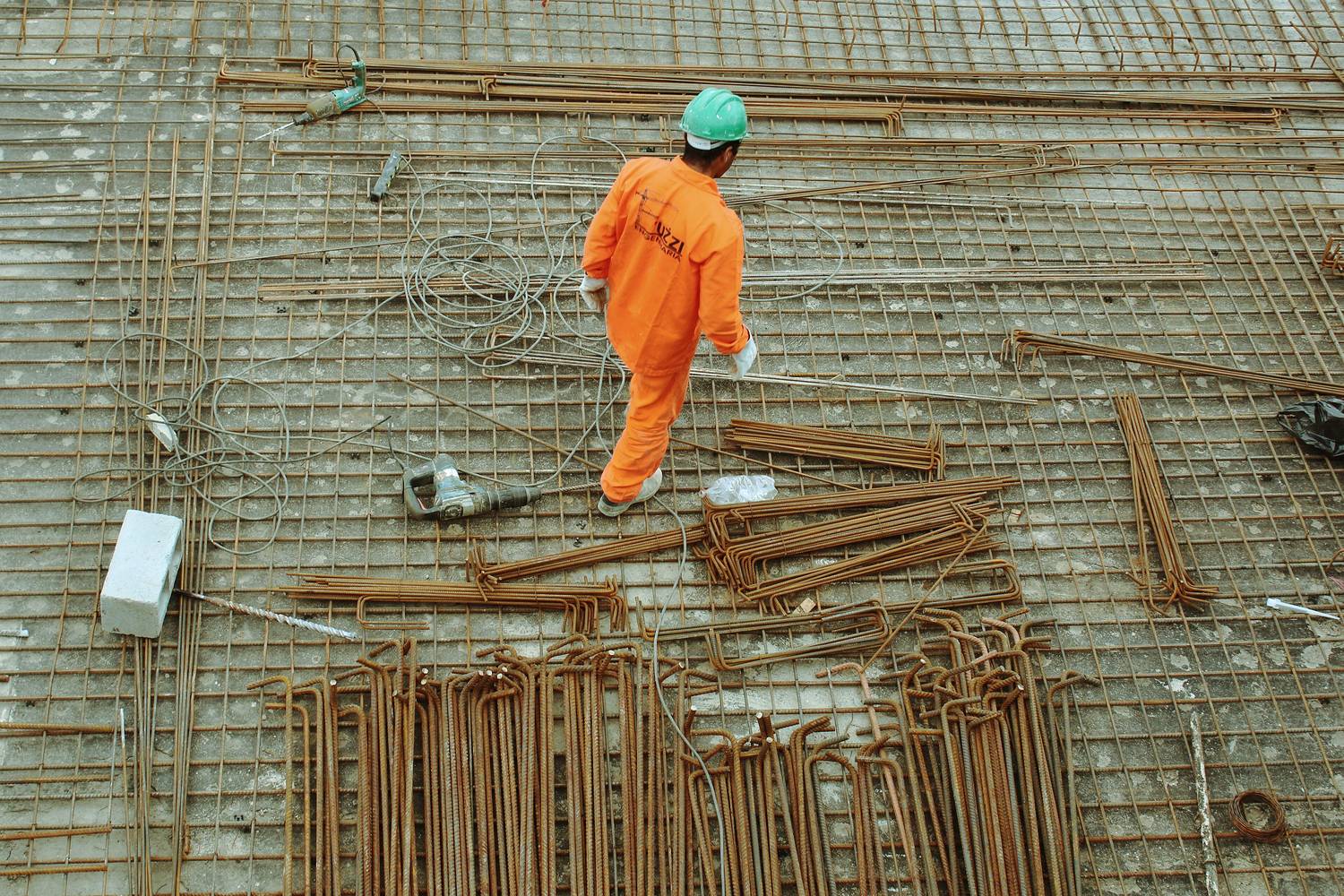
Field work is a different business
Crews, trucks, permits, weather. If you run field services you already know why a buyer who has never done it will underwrite it wrong.

My father was a union pipefitter
Thirty-four years in Pittsburgh. He is the reason I am buying a company with a floor rather than a company with a cap table.
Plates I–VII · licensed stock, one duotone Not photographs of Irongate or its people
Buyer
Who is actually
buying this.
My name is Ray Kowalski. I grew up in Carrick, south of Pittsburgh, in a house where the union hall calendar hung in the kitchen. My father was a pipefitter for thirty-four years. I took an engineering degree at Penn State because it was the fastest way back into a building where things get made.
Twelve years in industrial operations after that: maintenance planning, then plant management, then vice president of operations at an eighty-million-dollar industrial services company — three plants, a field division, two hundred-odd people on the payroll and thirty million dollars of equipment to keep running.
Then three years at a lower-middle-market private equity firm, which is where I learned what I did not want to do. The work was serious and the people were good at it. But we underwrote businesses like ours from a conference room, and the thing that made those companies work — a superintendent who had been there nineteen years and knew which customers actually paid — never appeared in the model. I was playing the wrong sport.
So I left, raised committed capital from four people who have run companies like this, and started looking. I will buy one. I will run it. I close the deals I start.
Record
- 2006–2010
- BSc Industrial Engineering, Penn StateWorked summers in a fab shop in McKees Rocks
- 2010–2014
- Maintenance planner, then superintendentRotating equipment, two plants
- 2014–2019
- Plant manager84 people, $19M of revenue through the shop
- 2019–2022
- VP of operations, industrial services3 plants, a field division, 200+ crew, $30M of plant to keep running
- 2022–2024
- Lower-middle-market private equityOperations diligence on 41 industrial businesses
- 2024–
- Irongate Acquisition Group318 businesses reviewed. One will be bought.
What fits
Published so you can rule me out in ninety seconds. If it is a no, I will tell you the same week and say who I think is a better buyer.
03 · Criteria
Six lines. All six are published
because four of them are the
reason I decline.
Revenue
Big enough to carry a real manager, small enough that I can know it Below three million there is no room for me on the payroll. Above eighteen, you should be talking to somebody with a team.
$3M–$18MAnnual revenue
Sector
Work that needs a truck, a licence or a shop Mechanical and electrical contracting, HVAC and plumbing, industrial services, fabrication, equipment sales and service, specialty manufacturing.
TradesIndustrial only
Earnings
Profitable for at least three consecutive years I am not a turnaround buyer. If the business is losing money I am the wrong person and I will say so in the first call.
$700k+Owner earnings
Crew
A crew that has been there a while Long tenure is the single strongest signal I look for. It usually means the work is decent and somebody has been running the place properly.
8–120Employees
Where
Within a day's drive of Pittsburgh, or worth moving for Pennsylvania, Ohio, West Virginia, western New York. I will look further for the right business, and I relocate either way.
4 statesSearch region
Owner
Someone who wants to hand it over properly Six to twelve months of your time after close, paid. That handover is worth more to me than a point of price.
6–12 moTransition
If I cannot explain a decision to the person it lands on,
then I have not thought it through.
Compare
Me, instead
of a fund.
I spent three years inside one, so this is not a caricature. For some businesses the fund is genuinely the better answer. Here is how to tell.
Irongate
- One buyer, who signs, and who is in the shop the Monday after close.
- No investment committee. Nobody above me can kill the deal at the last minute.
- I have run a plant. Your superintendent will not have to explain his job to me.
- No fund clock, so no date by which this has to be sold on to somebody else.
- Your name stays on the trucks unless you tell me you would rather it did not.
A lower-middle-market fund
- More capital available if your business needs to buy three competitors quickly.
- A three-to-seven-year hold written into the fund before you were introduced.
- A deal team at close, an operating partner afterwards, and neither for long.
- Back office consolidated into a platform in another state within two years.
- Competent, well-resourced, and structurally unable to promise you permanence.
Questions
What owners
actually ask me.
Not "what is a search fund". These four, in this order, in almost every first conversation I have had.
01
Are you actually going to run it, or hire somebody?
I am going to run it. That is the whole point of doing this instead of staying where I was. I will be the person the general manager reports to, in the building, five days a week, starting the morning after we close.
02
What happens to my people?
Nothing, in the first year. No layoffs, no pay changes, no title changes. I will write that into the purchase agreement if you want it there, and most owners do. Beyond the first year I will not make a promise I cannot see far enough ahead to keep — but a business like this is worth what its crew is worth, and cutting it would be destroying what I just paid for.
03
Are you going to load it with debt?
No more than the business can service in a bad year, and I underwrite the bad year, not the best one. I have watched a leveraged shop skip maintenance to make a covenant. It works for four quarters and then it does not.
04
Will this get back to my customers, or my crew?
Not from me. I do not use a broker network, I do not circulate teasers, and I do not talk to anyone at your company until you tell me to. If we stop talking, nothing about this conversation leaves my office.
Process
How it runs
from here.
You can stop at any of these and owe me nothing. Most conversations end at step one, and that is a fine outcome for both of us.
01
A call, no paperwork
Half an hour. You tell me what the business does and what you want to happen to it. I tell you straight whether I am a real buyer for it.
Week one · nothing signed
02
Three years of numbers, under your NDA
I sign yours. Statements, a tax return, a customer concentration list. Read by me and my accountant, nobody else.
Weeks two to three
03
A site visit on a working day
Not a tour. I want to see a shift run, look at the maintenance log, and stand in the yard for an hour. Introduce me as anything you like.
Weeks three to five
04
An offer in plain language
Price, structure, what happens to your crew, what I am asking of you afterwards. Three pages. No fee to you either way.
Weeks six to eight
05
Diligence, close, and then I am there
Quality of earnings, insurance, equipment condition, at my cost. Ninety to a hundred and twenty days. Then we tell your people together and I start.
Days ninety to one hundred twenty
Call me. I answer
my own phone.
If your company is in the range above, or close enough that you are wondering, ring the number. If I am on a site I will call you back the same day. Email works too, and it reaches me and nobody else.
Brokers and intermediaries: I am happy to work through you and I do not go around you. Send the teaser and you will have a yes or a no inside forty-eight hours, with the reason.
7am–7pm ET
- Post
- 2100 Smallman Street, Pittsburgh, Pennsylvania 15222
- Backing
- Four committed individuals, all former operators. No fund, no committee.
- Discretion
- Nothing you send goes to them without your say-so.