We are the buyer
with no exit date.
Harrow owns controlling stakes in durable businesses and does not sell them. There is no fund behind this page, no vintage year, and no partner waiting for a liquidity event.
Read the thesis ↓- Businesses held
- 7
- Longest hold
- 16 yrs
- Businesses sold
- 0
- EBITDA range
- $3–20M
A company does not become worse
at what it does because
it turned eleven.
Nearly every buyer a founder meets is on a clock. A fund raised in 2021 has to return capital by 2029, so the business it buys in 2026 will be sold in 2031 whether or not that is the right year for it. The clock is not malice. It is the structure.
Harrow is capitalised by four families and its own retained earnings. There is no fund, no vintage, and no obligation to produce a liquidity event for anyone. We buy a controlling stake in a business we believe will still be needed in thirty years, and then we hold it. Seven businesses, sixteen years, none sold.
That is not patience as a virtue. It is arithmetic. A business we hold for twenty years compounds through four cycles instead of one, and never pays the six per cent of enterprise value that a sale process costs. We would rather own the cash flow than harvest the multiple.
“The only question we ask that other buyers do not: what does this business need in year twelve?”Eleanor Sharpe-Quiller, Managing Principal
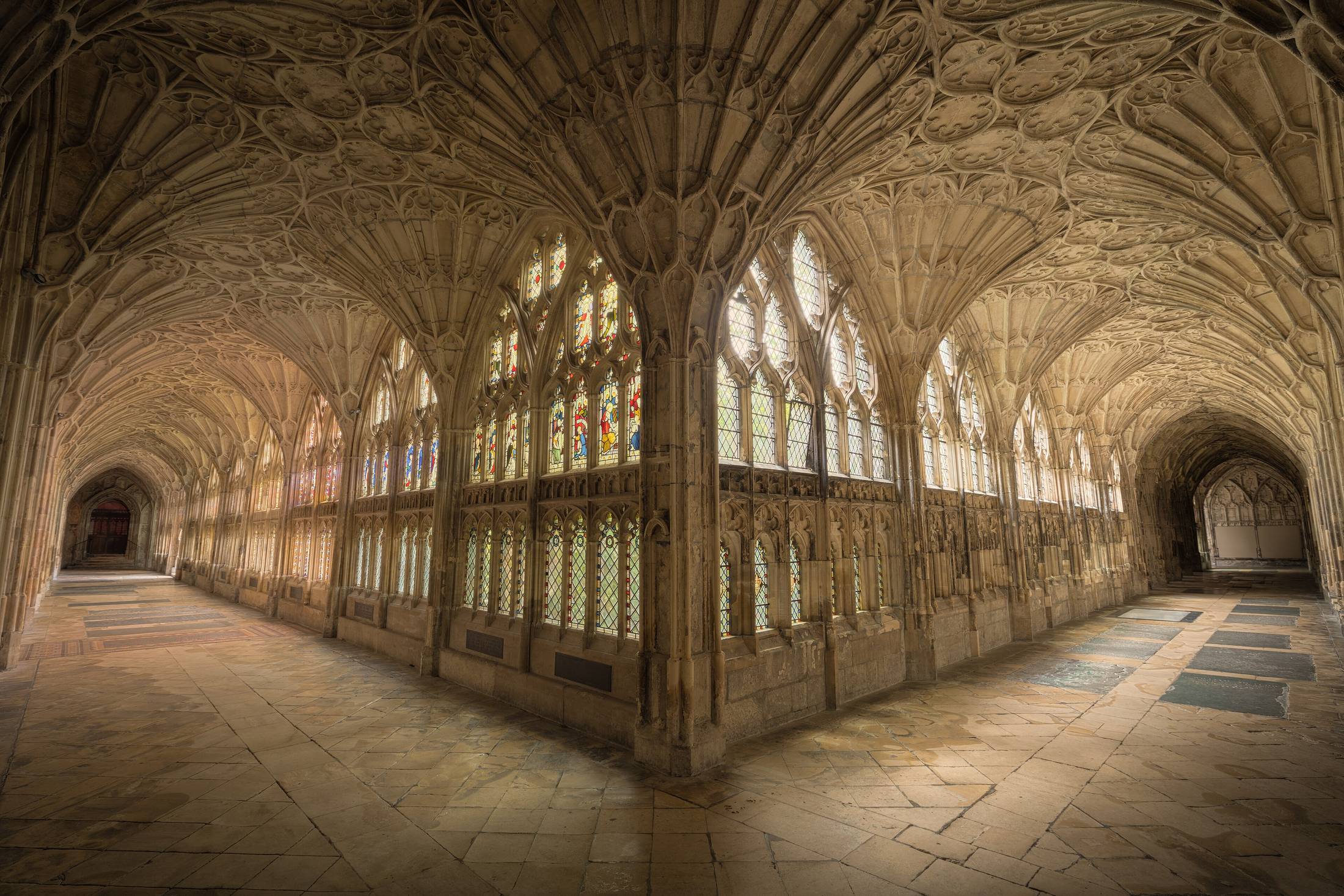
“Somebody paid for this with no expectation of seeing it finished.”
Seven parameters. The last one disqualifies almost everything.
The last line is the one that disqualifies almost everything. We publish it because it saves everybody a fortnight.
| Parameter | Harrow |
|---|---|
| EBITDAConsistent rather than large. We have bought at $3.2M and at $19.6M. | $3M – $20M |
| Ownership acquiredControl. We are not a minority investor and we do not take board seats without one. | ≥ 70% |
| Hold periodThere is no model in our files with a terminal value in it. | Indefinite |
| Leverage at closePermanent holds cannot carry fund-style leverage through a cycle. | ≤ 2.5× |
| GeographyNew England, the Mid-Atlantic and the eastern Great Lakes. | US, east |
| ManagementA team that intends to stay, or a successor already in the building. | In place |
| Demand in 2050If we cannot argue the customer still exists in twenty-five years, we stop. | Binding |
Everything we have ever bought is still here.
Seven businesses, acquired between 2009 and 2024. The column on the right is the one we are judged on.
Businesses are described by activity rather than named. Harrow is a demonstration firm and every holding and figure on this page is invented.
Bring us the deal you cannot fund on a five-year story.
Seven businesses sit on our register, and two of them came to us from independent sponsors who had the relationship and the diligence but not a buyer who could hold the asset the way the seller wanted it held. We wrote the equity, the sponsor kept a real promote, and in both cases the sponsor still sits on the board.
What we offer a sponsor is the thing a fund cannot: a credible answer when the founder asks what happens in year six. We will say, in front of your seller, that we intend to own it permanently — and point at a register where that has been true seven times out of seven.
“You keep the relationship. We take the thirty-year risk.”Terms in Section V
Terms, in public, because they do not change.
Harrow co-invests alongside independent sponsors and accepts capital from a small number of families. Both read the same page.
| Equity per transactionWritten from the balance sheet, not called from a fund. | $10M – $70M |
| Sponsor promoteRetained by the sponsor who brought the transaction. | 15 – 25% |
| Sponsor board seatFor as long as the sponsor wants it. | Permanent |
| Preferred returnOn family capital. Paid current where cash flow allows. | 7.0% |
| Management feeThere is no fund, so there is nothing to charge a fee on. | None |
| LiquidityAnnual redemption window at independently appraised value. | Annual |
| ReportingQuarterly holding letters, annual audited consolidation. | Quarterly |
Five principals. Average tenure here, eleven years.
Three readers. One of them is a founder.
Ask what happens in year twelve.
Send three years of statements and a description of what the business actually does. A principal answers, not an analyst, and you will get a view on price and on whether we think the business should be sold at all. We have told four owners not to sell; two of them are still running their companies.
Write to a principalowners@harrowpartners.exampleTerms are in Section V. Nothing under them moves.
Independent sponsors with a signed letter and real diligence: we can confirm equity in ten business days and will stand in front of your seller. Families considering capital: the last three annual holding letters and the appraisal methodology are available on request.
Request the holding letterscapital@harrowpartners.example
“The timber we planted this year will be cut by somebody who has not been born.”